Begin with the room you want to enjoy.
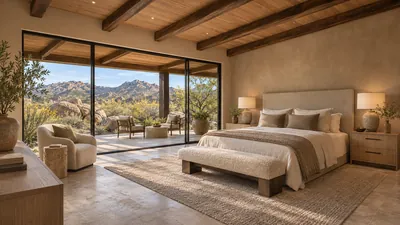
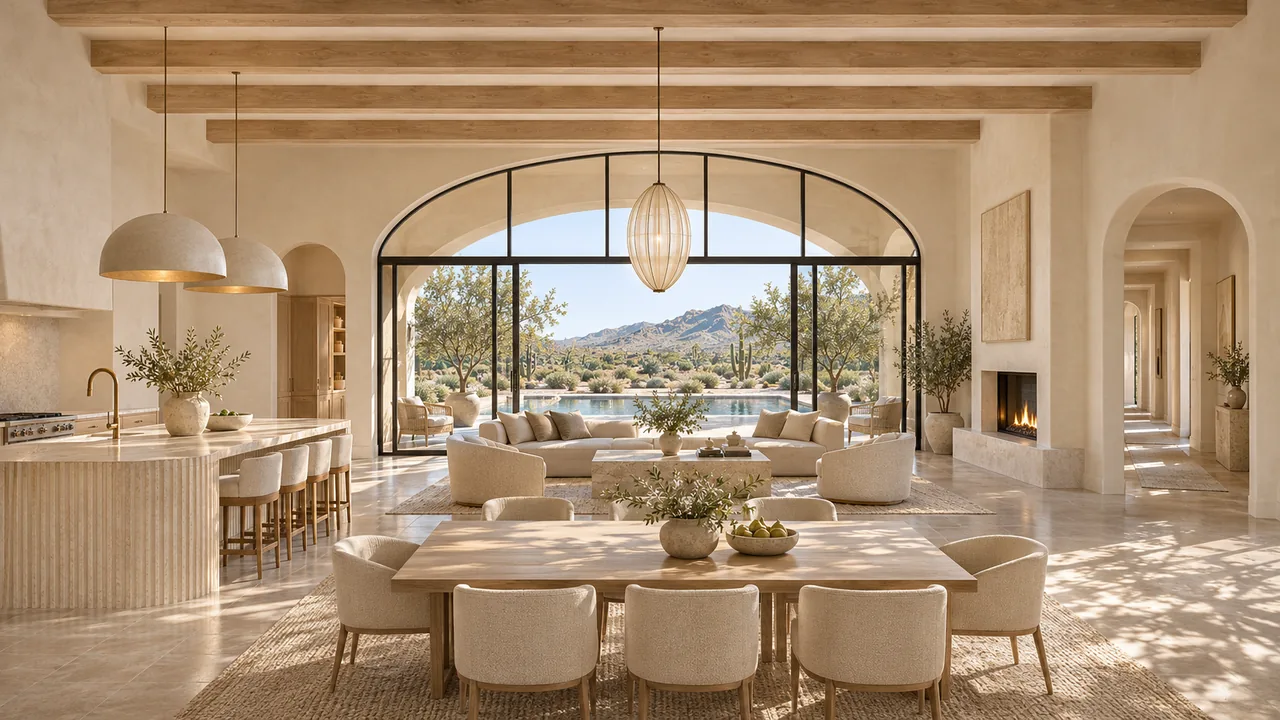
Imagine the great room you would like to build: daylight across the kitchen, a view toward the garden and doors opening onto a shaded terrace. Now imagine using it on a hot afternoon and again during dinner with friends. The architecture and the systems need to support both experiences.
At Luxe, low-E windows, high-efficiency cooling and LED lighting are design priorities. We connect them to the site and the way the home will be used, so the conversation covers comfort and ongoing energy use alongside the view, finishes and floor plan.
Low-E is the starting point for a window specification.
A low-emissivity coating helps manage heat transfer through glass. The complete window’s performance also depends on its glazing package and frame. Two useful measures are U-factor, which describes heat transfer through the window, and solar heat gain coefficient, or SHGC, which describes how much solar heat passes through. Lower values reduce the respective heat flows. DOE explains these measures and hot-climate selection.
Ask to see the proposed performance values for the actual window, not just a brochure for the manufacturer. A large sliding opening and a smaller fixed window may be different products with different specifications. Understanding those choices helps connect the design to the finished home.
The direction of the glass matters.
In warm climates, unwanted solar gain is a key consideration. East-, south- and west-facing windows merit careful attention to SHGC and shade, while the appropriate solution also depends on the home’s design. ENERGY STAR’s window guidance discusses orientation and climate-specific choices.
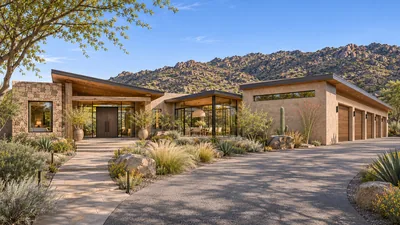
Bring the views you want to preserve into the first design meeting. Then discuss where outdoor cover, overhangs or the arrangement of rooms might support those views. A deep patio can become part of the architectural character while creating a useful place to sit. This is the kind of decision that benefits from considering the home and outdoor living together.
Compare cooling efficiency using today’s ratings.
SEER2 measures seasonal cooling efficiency under a defined test procedure. It is the current rating language used for new equipment following the change in federal testing procedures. DOE’s central air-conditioning guidance explains the transition and regional considerations. EER2 describes efficiency under specified operating conditions; ENERGY STAR defines both cooling measures.
A higher efficiency rating can reduce the electricity needed to deliver cooling compared with a less efficient system under comparable conditions. The value of a particular upgrade still depends on the installed system, the home’s demand and how it is used. Ask for a clear equipment comparison rather than a promised future electric bill.
Size the system for the home that will be built.
Equipment capacity should follow the heating and cooling load. A conventional system that is oversized can cycle too frequently and perform poorly. ENERGY STAR recommends proper load calculations and equipment selection.
The final insulation, window areas, orientation and room layout should inform that calculation. Duct routes, airflow and the equipment combination also need coordination. Building America describes the linked design and installation steps.
For your household, consider when each part of the home is occupied. Would the guest wing be used every week or only during visits? Does someone work from home all day? These answers help frame a useful conversation about controls, layout and any zoning proposed for the project.
Let LED lighting serve both the task and the atmosphere.
LEDs produce useful light with substantially less electricity than incandescent lamps. Their small size also allows many fixture formats, including discreet task and accent lighting. Building America explains the technology.
The lighting plan should consider how you prepare food, read, relax and entertain. Compare brightness in lumens, the appearance of colors, color temperature and compatibility between the chosen fixtures and dimmers. DOE’s lighting guidance describes these product characteristics.
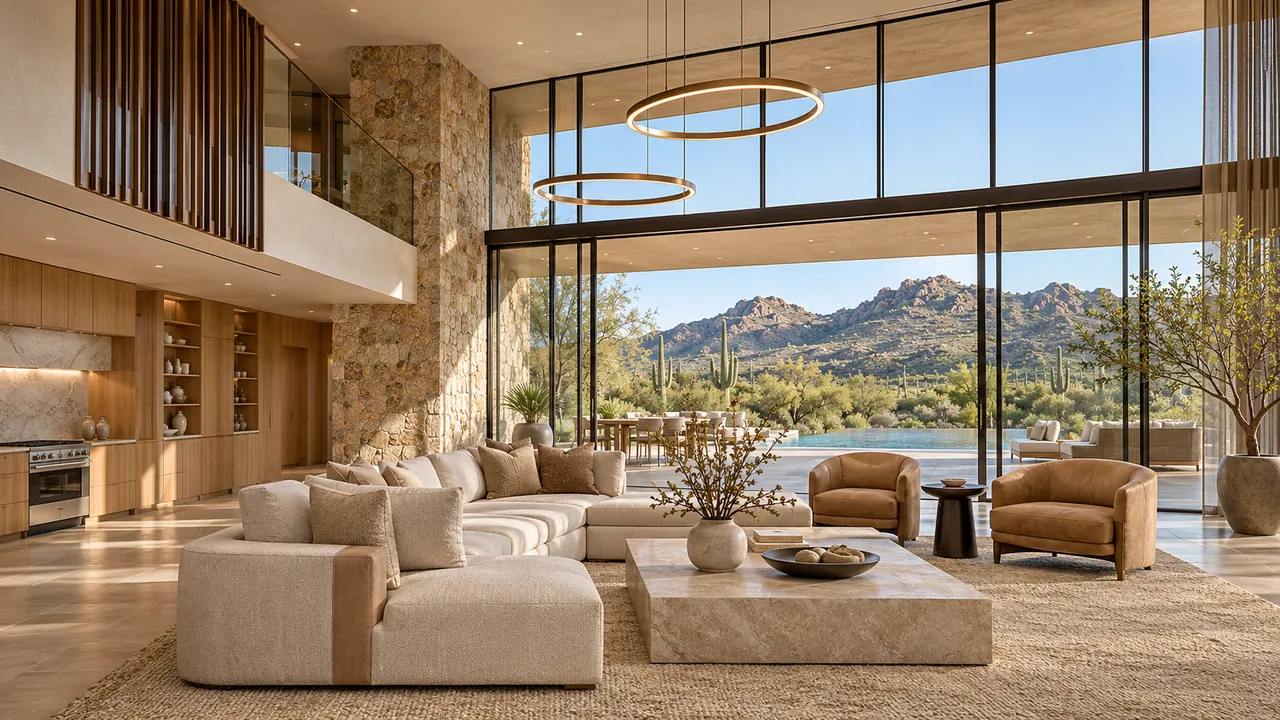
Discuss maintenance too. A dramatic fixture over a stair or in a high ceiling may be appealing, but knowing how its light source can be serviced helps you make a more complete decision. Efficient lighting can still be warm, personal and intentional.
Make the comparison clear before construction.
Ask for the window specifications, proposed HVAC equipment, lighting selections and any performance evaluation included in the scope. Compare alternatives against the same project assumptions. Note whether an option changes the construction cost, the expected operation of the home, maintenance or more than one of those things.
Our in-house design process gives these choices a place in the larger conversation. Explore our energy-and-comfort guide, then bring the rooms, views and everyday routines that matter most to your consultation.
Sources & further reading
Official resources for the details behind this guide.
- U.S. Department of Energy — Residential Window Performance
- ENERGY STAR — Window Selection Guidance
- U.S. Department of Energy — Central Air-Conditioner Efficiency
- ENERGY STAR — SEER2 and EER2 Definitions
- ENERGY STAR — Heating and Cooling Guidance
- Building America — Air-Conditioning Design and Installation
- ENERGY STAR — LED Lighting
- U.S. Department of Energy — Efficient Lighting Selection
From useful ideas to your own home
Bring these questions to your design conversation.
Start with your property, your priorities and the way you want to live. Our in-house design team can help connect the next decisions.
Start with design & plans(623) 323-8062