
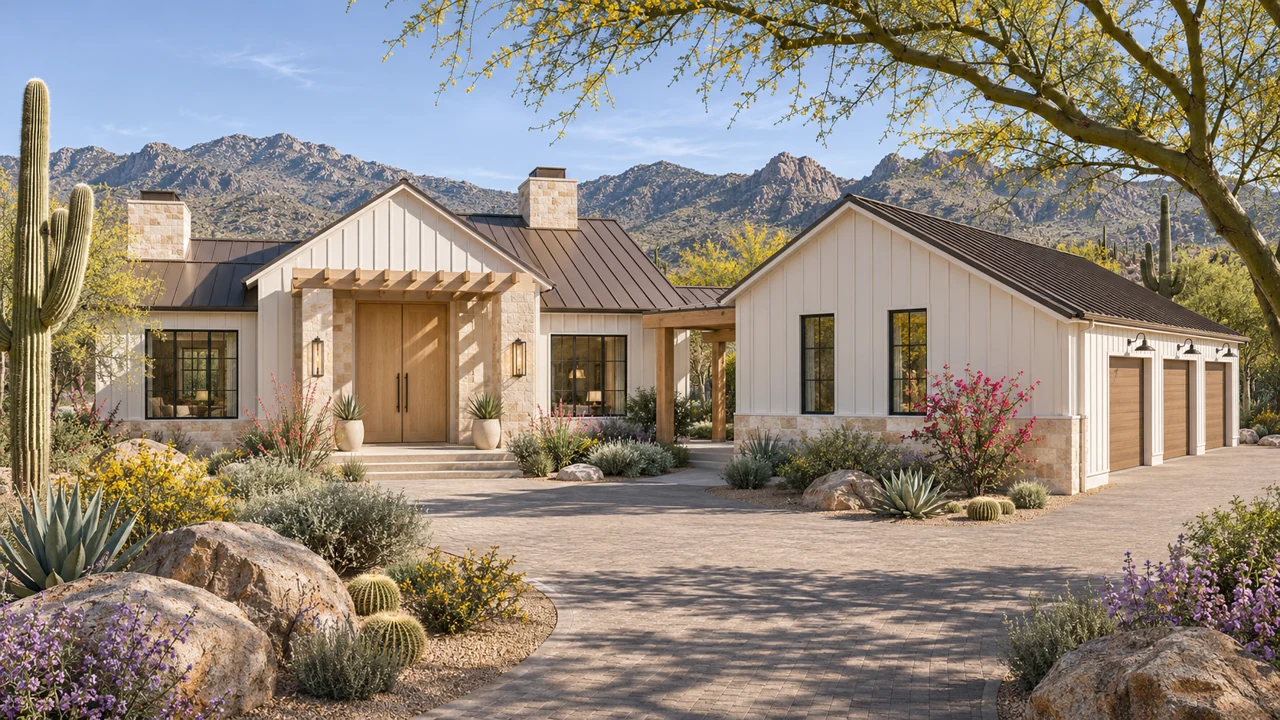
Begin with the property and a useful brief
Your first meeting does not require a finished floor plan. Bring the property information you have, a few images with explanations and a list of the routines your home should support. Include the garage, outdoor spaces and longer-term ideas.
Luxe's in-house design approach connects those priorities with the team coordinating the project. The first goal is to identify the important questions: what the property allows, which spaces matter and what should be investigated before detailed design.
Use concept design to test relationships
Concept work is the time to explore where the home sits and how its rooms relate. Trace an arrival, a grocery trip and an evening with guests. Look at furniture, privacy, views, sun and the connection to the yard.
A rendering helps communicate an idea, but it does not settle construction scope. Ask which features are conceptual, which need engineering or product selection and which depend on property review. A useful design review leaves a short record of decisions and open items.
Coordinate details before they become field questions
As plans develop, structure, glazing, equipment, plumbing and selections need to work together. A changed opening may affect more than its appearance. A moved kitchen appliance can affect cabinets, power and ventilation. These are reasons to keep the conversations connected.
Ask which choices the team needs next and when. A selection schedule can make your work manageable: identify the decision, who supplies information and the date needed. Specific deadlines should come from the actual project schedule rather than a generic checklist.
Understand where public review fits
In Phoenix, residential plan review includes completeness checks, review against applicable requirements, correction responses when needed and permit issuance after approval and payment. Required grading, drainage or hillside approvals can affect the order.
Other jurisdictions and properties have their own review paths. Ask the project team to identify the relevant approvals and dependencies. A concept meeting or application submission is not permit approval, and a review estimate is not a guaranteed construction start.
Keep the construction conversation practical
During construction, ask how progress, upcoming selections, site visits and requested changes will be communicated. Keep the current approved information together. A request should be evaluated for feasibility and any scope, cost or schedule effect before it is treated as an instruction to build.
Before handover, discuss the completion review, open items, equipment information and service process. The home is personal; the decision record should still be clear.
Ask for milestones tied to real dependencies
- What information is needed to complete this stage?
- Which decisions belong to me next?
- Which approvals or deliveries govern the next milestone?
- How will a change affect the current plan?
Explore Luxe's process, then bring your starting point to the team. A realistic schedule is developed around your property's requirements and your home's actual scope.
Sources & further reading
Official resources for the details behind this guide.
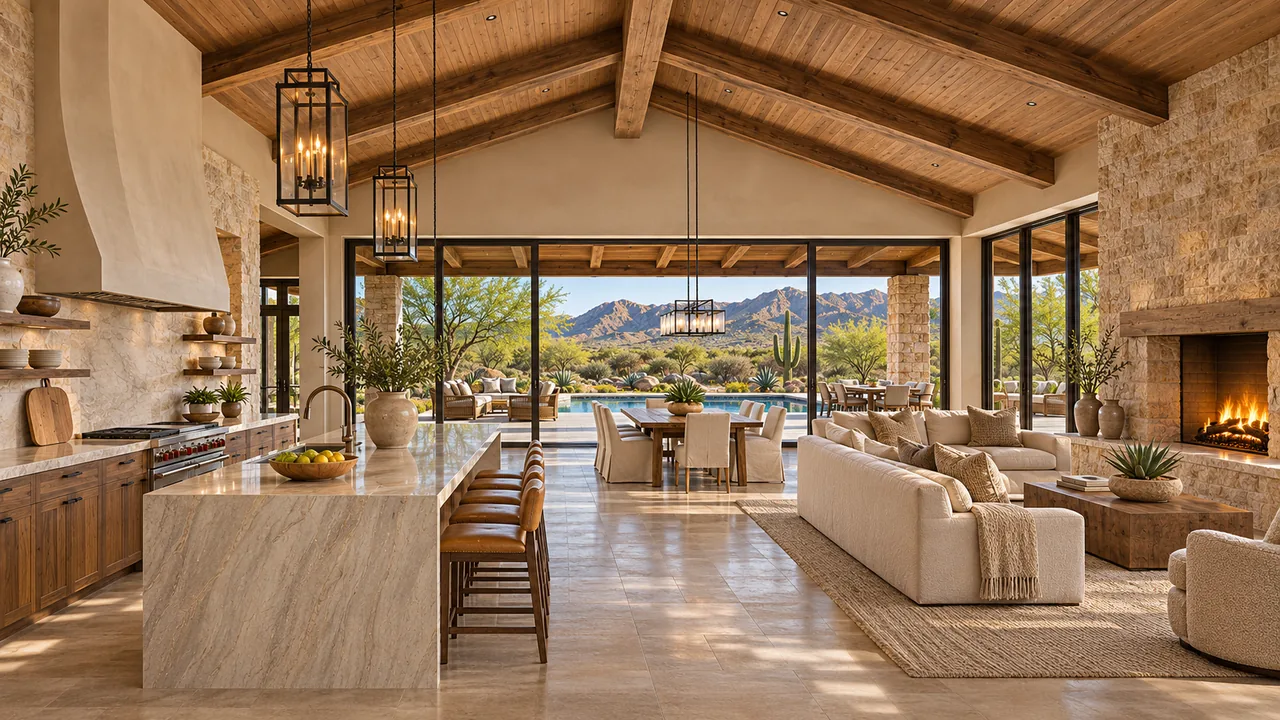
From useful ideas to your own home
Bring these questions to your design conversation.
Start with your property, your priorities and the way you want to live. Our in-house design team can help connect the next decisions.
Start with design & plans(623) 323-8062